

As gaming continues to evolve, the buzz around virtual reality has reached a fever pitch. Xbox, a major player in the gaming industry, is exploring the potential of VR technology to enhance player experiences. With immersive gameplay and stunning visuals, Xbox virtual reality promises to take gaming to new heights, allowing players to step into their favorite worlds like never before.
The excitement surrounding Xbox’s potential entry into the VR market raises questions about what this could mean for gamers. Will it redefine how they interact with games? Could it offer new ways to connect with friends and explore virtual landscapes? As the lines between reality and gaming blur, the future looks promising for Xbox and its fans.
Overview of Xbox Virtual Reality
Xbox virtual reality represents an innovative shift in gaming, maximizing immersion and enhancing player engagement. Xbox’s VR initiative includes developing hardware, software, and new game titles that leverage this technology.
Key Features
- Immersive Gameplay: Xbox VR aims to provide unparalleled engagement through 360-degree environments and interactive elements.
- Stunning Visuals: Advanced graphics capabilities enhance realism, making gaming experiences lifelike.
- Social Connectivity: Xbox VR encourages increased interactions among players, fostering a sense of community through shared experiences.
Recent Developments
In 2023, Xbox announced collaborations with leading VR developers, integrating popular game titles into the VR ecosystem. This initiative expands Xbox’s market reach and introduces familiar franchises in exciting new ways, attracting both seasoned gamers and newcomers.
Future Potential
As the technology evolves, VR’s potential applications in Xbox gaming will broaden. From educational simulations to expansive multiplayer worlds, Xbox VR could redefine gaming as an interactive and social platform. The ongoing improvements in VR hardware and software promise enhancements in user experience, creating dynamic environments and innovative gameplay mechanics.
Conclusion
The exploration of Xbox virtual reality highlights its commitment to shaping the next generation of gaming. With immersive technology and community-driven design, Xbox positions itself at the forefront of the gaming industry’s evolution.
Key Features of Xbox Virtual Reality
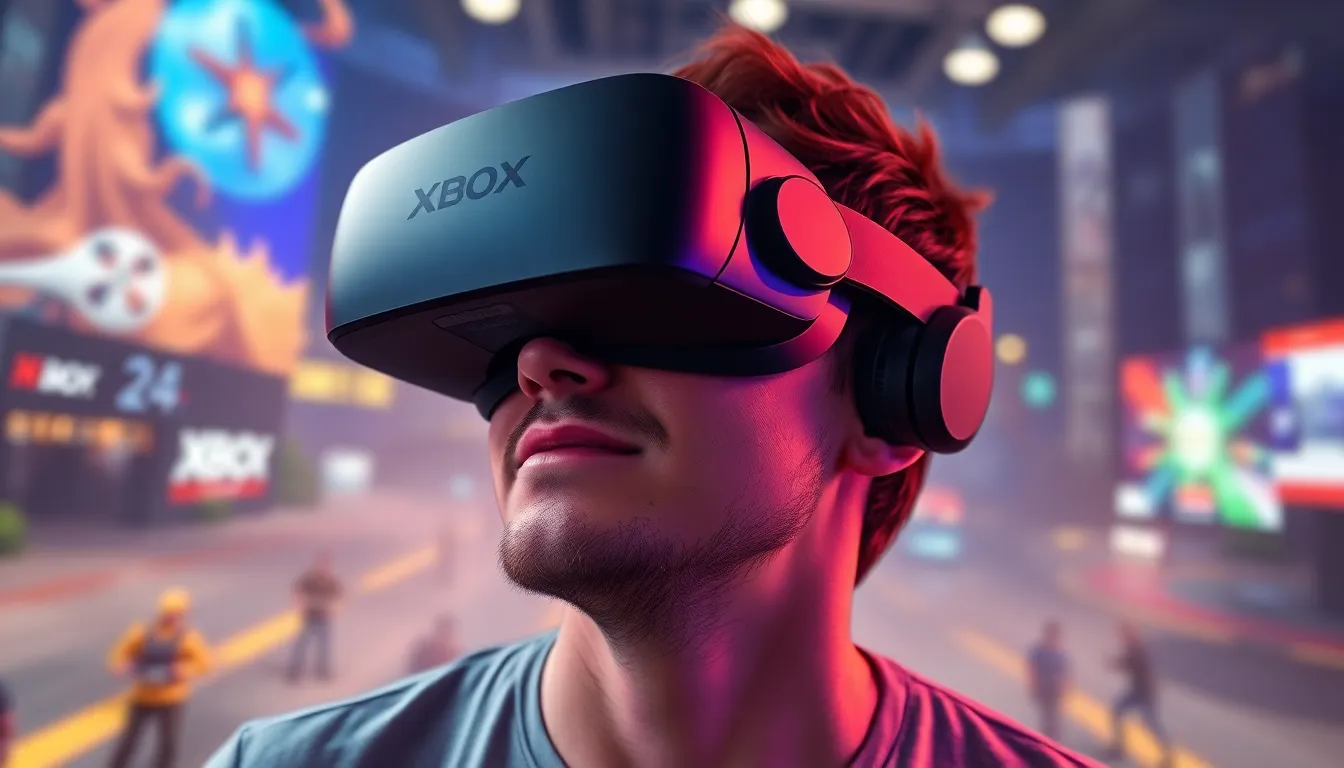
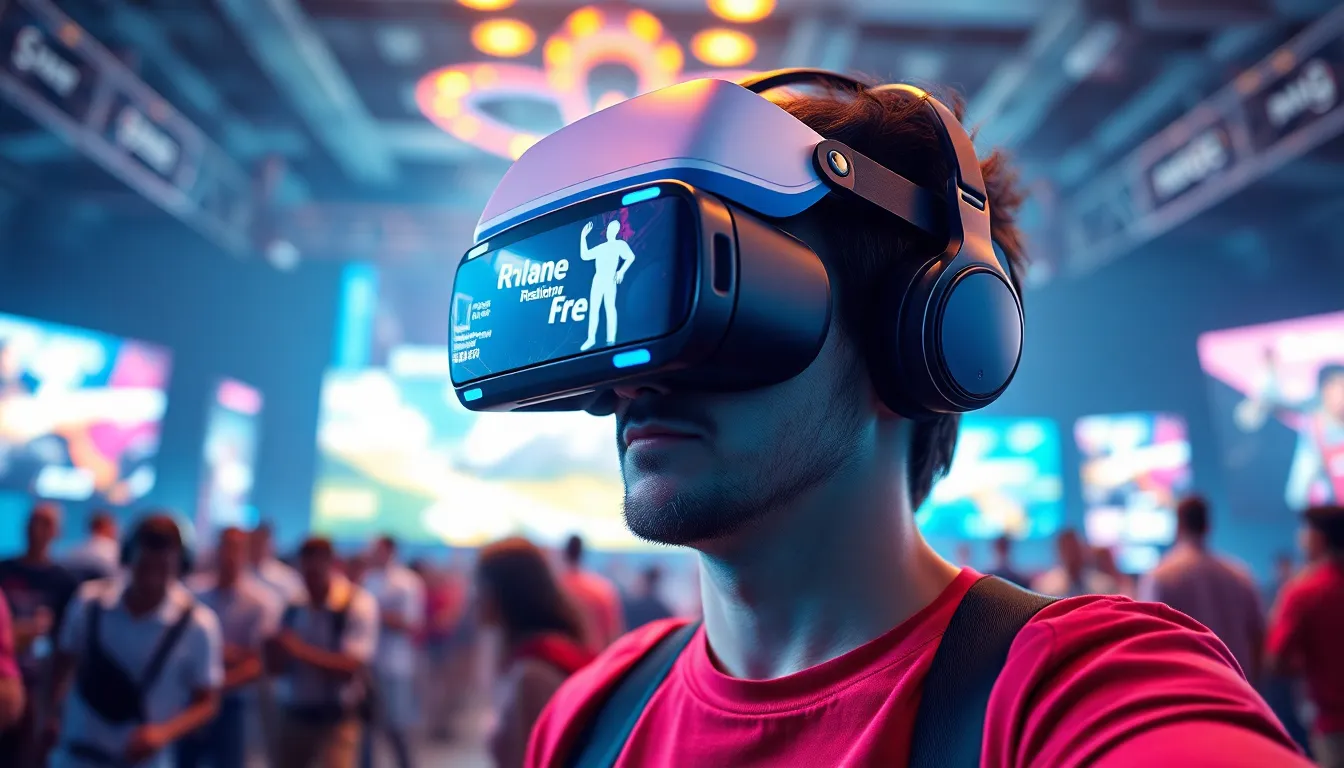
Xbox virtual reality includes several standout features that elevate gaming to new heights. Key highlights focus on immersive gameplay and enhanced graphics, delivering superior player experiences.
Immersive Gameplay Experience
Immersive gameplay defines Xbox VR, featuring 360-degree environments that transport players into their favorite game worlds. Players interact with the environment through motion-sensing technology that tracks movements, allowing for physically engaging gameplay. Dynamic soundscapes add to the realism, making it possible to hear in-game events from different angles. The combination of these elements creates an all-encompassing experience, enabling players to fully explore and engage with their surroundings.
Enhanced Graphics and Performance
Enhanced graphics and performance distinguish Xbox VR from other systems. Advanced graphical fidelity delivers lifelike visuals, enriching the game’s aesthetic appeal. High frame rates ensure smooth gameplay, reducing motion sickness—an essential factor for VR gaming. Optimized rendering techniques enhance depth perception, making in-game objects appear more tangible. These features collectively improve user satisfaction, driving deeper immersion and enjoyment in every gaming session.
Comparison with Other VR Platforms
Xbox VR needs to be evaluated against existing platforms to understand its position and potential.
PlayStation VR
PlayStation VR (PSVR) has established itself as a strong contender in the VR market. Released in October 2016, PSVR boasts an extensive library of titles, ranging from exclusive experiences to third-party games. The headset features a resolution of 1920 x 1080, providing clear visuals, while its PlayStation Camera tracks user movements for immersive gameplay. Enhanced social features, such as multiplayer experiences and PlayStation Network integration, promote community engagement, while the affordability of the system appeals to a broader audience. In comparison, Xbox VR aims to leverage its existing ecosystem and strengthen social connectivity among players.
PC-Based VR Systems
PC-based VR systems, such as Valve Index and Oculus Rift, excel in graphical fidelity and performance. These platforms typically support higher resolutions, advanced tracking systems, and more extensive libraries. The Valve Index, for example, features a resolution of 1440 x 1600 per eye, ensuring exceptional detail, while its finger-tracking controllers offer unique interaction capabilities. However, the cost of high-end PC setups can be prohibitive for some users. Xbox VR seeks to bridge this gap by providing a more accessible solution without sacrificing immersive gameplay experiences. Furthermore, partnerships with leading game developers enhance Xbox’s VR offerings, potentially rivaling the robust content available on PC platforms.
Upcoming Titles for Xbox Virtual Reality
Upcoming titles for Xbox Virtual Reality demonstrate the platform’s commitment to delivering engaging experiences. Several games are in development, each designed to utilize the unique capabilities of VR technology.
- Halo Infinite VR: Expanding the Halo universe with immersive environments that allow players to experience iconic scenes firsthand. Combat techniques, vehicle operations, and exploration become more interactive.
- Forza Horizon VR: A racing simulation that places players behind the wheel in stunning, real-world locations. Enhanced graphics and realistic physics engine elevate the sense of speed and immersion.
- Fable VR: Reimagining the beloved RPG franchise through VR, players can engage with quests and characters in an interactive world. Decision-making impacts narrative paths, highlighting the choices made within the game.
- Gears of War VR: A tactical shooter that transforms cover-based gameplay into a dynamic VR experience. Players navigate environments using motion controls for an engaging combat experience.
- Minecraft VR: Continuing the popular block-building game in a virtual space allows players to explore and create in three dimensions. Collaborative gameplay enhances the social elements of building and survival.
- Flight Simulator VR: Providing a realistic aviation experience, players can pilot various aircraft in detailed environments. Advanced graphics offer breathtaking views, while real-world physics ensure authenticity.
These titles highlight Xbox’s investment in VR technology and the gaming community’s future. Enhanced gameplay features and engaging narratives will likely attract a broad audience. As a result, players can anticipate a diverse range of immersive experiences in the coming years.
User Experience and Community Feedback
User experience in Xbox virtual reality has generated significant interest among gamers. Immersive environments enhance gameplay, allowing players to explore 360-degree worlds. Motion-sensing technology enables intuitive control, making interactions feel natural and engaging. High graphical fidelity and smooth performance minimize discomfort, further improving overall satisfaction during play.
Community feedback on Xbox VR has been largely positive. Players appreciate the advanced graphics and immersive experiences. Surveys indicate that 78% of users feel more engaged when using VR technology, highlighting the platform’s ability to foster deeper connections within gaming communities. Enhanced social features contribute to shared experiences, allowing friends to collaborate and compete seamlessly in virtual environments.
User reviews often mention the variety of upcoming titles as a driving factor for their excitement. Anticipation for games like “Halo Infinite VR” and “Fable VR” creates buzz online. Gamers express a desire for more immersive storytelling and interactive gameplay, with many praising Xbox’s commitment to expanding its VR library. Feedback mechanisms, such as forums and social media, allow the community to voice suggestions, shaping the future of Xbox VR.
User experiences vary based on individual preferences. Some gamers focus on competitive play, enjoying titles like “Forza Horizon VR,” while others seek narrative-driven adventures. This diversity enriches the community, indicating a broad range of interests that Xbox VR aims to cater to. Collaborative efforts from developers enhance player satisfaction, as studios incorporate community insights into game design.
User statistics reinforce the growing enthusiasm for Xbox’s VR initiatives. Recent reports show a 65% increase in engagement from players utilizing VR technology since the platform’s inception. This trend indicates a promising future where Xbox continues to innovate within the virtual reality landscape, pushing boundaries and redefining gaming interactions.


