
In the vast world of The Elder Scrolls IV: Oblivion, orcs often get a bad rap. With their hulking frames and gruff demeanor, they might seem like the last folks you’d want to invite to a dinner party. But hold on! These misunderstood warriors pack a punch both in combat and in character. They’re not just muscle; they’re a fascinating blend of culture, humor, and resilience.
Overview of Oblivion Orc
Orcs in The Elder Scrolls IV: Oblivion display a variety of characteristics that challenge stereotypes. Their physical traits include green skin and robust builds, yet these features do not define their full identities. Cultural practices emphasize craftsmanship, particularly in blacksmithing and weapon forging. Notably, orcs engage in humor and music, showcasing a lighter side to their nature.
The Orcish people reside primarily in Orsinium, a city that represents their history and resilience. Social structure among the orcs often revolves around clan leadership, where loyalty and strength play key roles. Players encounter orcs in various quests, ranging from fierce combatants in the Arena to unique vendors in cities, highlighting their integral role in the game’s economy.
Combat abilities suggest brute strength, but orcs often surprise players with strategic prowess in battle. Some possess unique skills like Berserker Rage, enhancing their effectiveness in combat situations. This ability reflects their intense culture while providing a tactical advantage during encounters.
Interaction with orc NPCs reveals a depth of character, offering insight into their perspectives and struggles. Quests involving orcs often involve themes of honor, redemption, and community, allowing players to appreciate their complexities. Despite a tendency toward aggression, many orcs exhibit a strong sense of loyalty and protectiveness toward their kin.
Understanding Oblivion orcs requires examining their culture, values, and individuality. Each orc encountered provides a different story to explore, challenging the preconceived notions held by other races within the game. By appreciating the nuances, players gain a greater understanding of this often-misunderstood race.
Characteristics of Oblivion Orcs
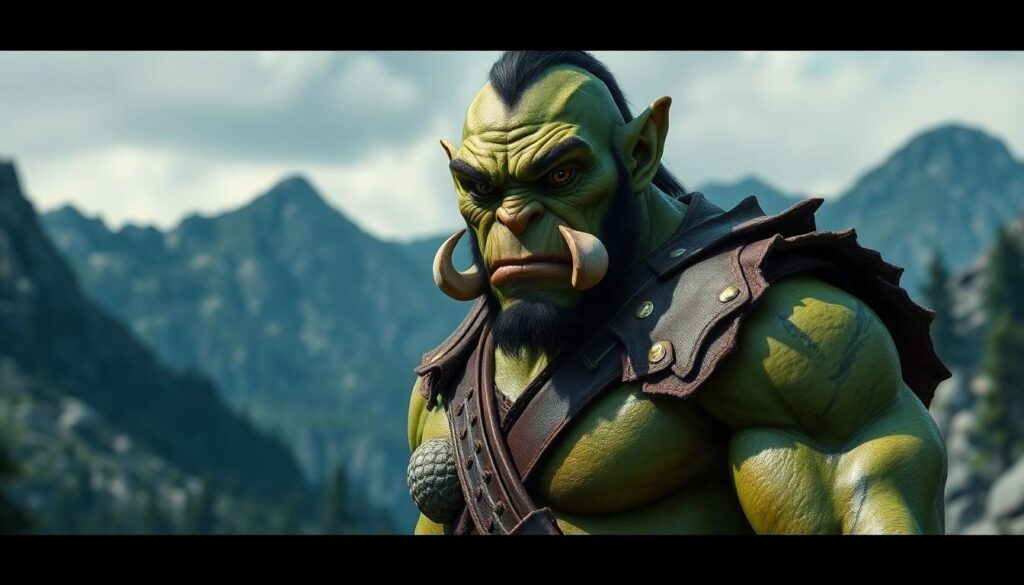
Oblivion orcs possess distinct characteristics that define their unique identity within the game. Their multifaceted nature combines elements of strength, culture, and community.
Physical Appearance
Orcs in Oblivion are easily identifiable by their green skin, stout builds, and prominent lower jaws. Muscular physiques showcase both power and resilience. Their distinctive features often include tusks, pointed ears, and a range of skin tones, adding to their diversity. Many orcs wear simple yet functional clothing made from leather or heavy fabrics, reflecting their utilitarian lifestyle. Armor crafted through their renowned blacksmithing skills often enhances their formidable presence on the battlefield.
Behavior and Traits
Orc behavior varies widely, revealing layers beyond mere aggression. Loyalty to clan and family ranks high among their values. Humor often punctuates their interactions, showing a lighthearted side despite their rough exterior. Players notice that many orcs exhibit bravery, meeting challenges head-on with unmatched ferocity. Strategic thinking frequently accompanies their combat skills, demonstrating intelligence in battle tactics. Additionally, orcs maintain a strong sense of community, with festivals and rituals celebrating their heritage, further enriching their complex personalities.
Gameplay Mechanics Involving Oblivion Orcs
Oblivion orcs play a vital role in engaging players throughout their adventures. Their interactions provide rich storytelling and dynamic challenges.
Interaction with Players
Orc NPCs often serve as quest givers, merchants, or rivals in combat scenarios. Engaging with these characters reveals their motivations and cultural values. Players discover unique dialogue options that allow for deeper connections, fostering understanding of orcish heritage. Additionally, some quests showcase orc conflicts, inviting players to choose sides which affects the game’s outcome. Emphasizing loyalty, many orc characters reflect a strong sense of kinship. Players witness this connection during community-related events, enhancing immersion in the orcish world.
Combat Strategies
Combat with orcs signifies more than brute force. Players encounter aggressive tactics like Berserker Rage, amplifying damage output and increasing engagement. Orcs often utilize their strength and resilience, making them formidable opponents. Strategic positioning becomes essential when navigating their attack patterns. Many orcs wield heavy armor and powerful weapons, enhancing their threat level in battle. Understanding their combat styles allows players to adapt and employ defensive strategies. Players benefit from analyzing orc weaknesses and exploiting openings during encounters. These mechanics encourage strategic thinking, transforming combat into a tactical challenge.
Cultural Significance of Orcs in Oblivion
Orcs hold a multifaceted cultural significance in The Elder Scrolls IV: Oblivion. Players encounter their rich lore and varied roles throughout the game.
Lore and History
Orcish history reveals a tale of resilience and survival. They originate from the mountainous region of Orsinium, which has faced destruction and rebuilding multiple times. The conflict with other races often defines their narrative. Legends speak of their ancestors, the Orcs of the Reach, who embraced a warrior culture steeped in honor and pride. Orcish craftsmanship, particularly in blacksmithing, reflects their ingenuity and creativity, as they became renowned for creating powerful weapons and armor. Clan loyalties and traditions further shape their identity, passing down values that emphasize strength and unity.
Role in the Game World
Within Oblivion’s game world, orcs contribute significantly to the economy and quest dynamics. As fierce combatants, they populate the Arena, showcasing their combat skills. Unique vendor interactions allow players to engage with orcish culture through trade, enhancing the game experience. Orc NPCs often provide quests that delve into themes of community and honor, revealing deeper motivations. Strategies employed in combat highlight their strengths, such as Berserker Rage, which gives them an edge in battles. Utilizing these combat mechanics challenges players to embrace tactical thinking, revealing the orcs as complex characters rather than mere brutes.
Conclusion
The orcs of Oblivion embody a rich tapestry of culture and complexity that transcends their initial portrayal. Players are invited to explore the depths of their identities through engaging interactions and quests that reveal their loyalty and resilience. The unique blend of strength and strategy in combat enhances gameplay, challenging players to rethink their approach to these formidable characters.
Understanding orcs as more than mere brutes opens up opportunities for deeper immersion in the game world. Their craftsmanship and sense of community reflect a vibrant culture that deserves recognition. By embracing the multifaceted nature of Oblivion’s orcs, players can fully appreciate the intricacies of their stories and the vital roles they play within the game’s narrative.